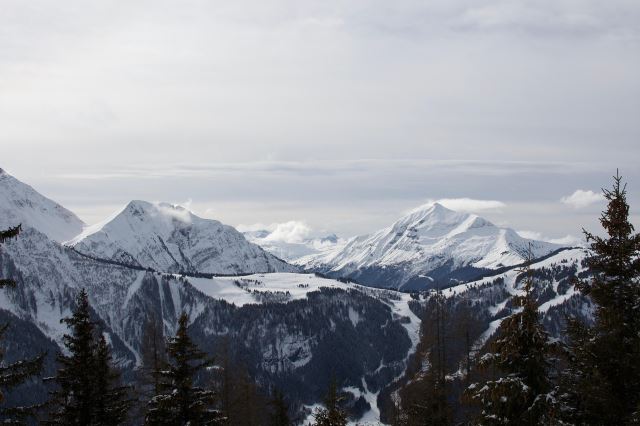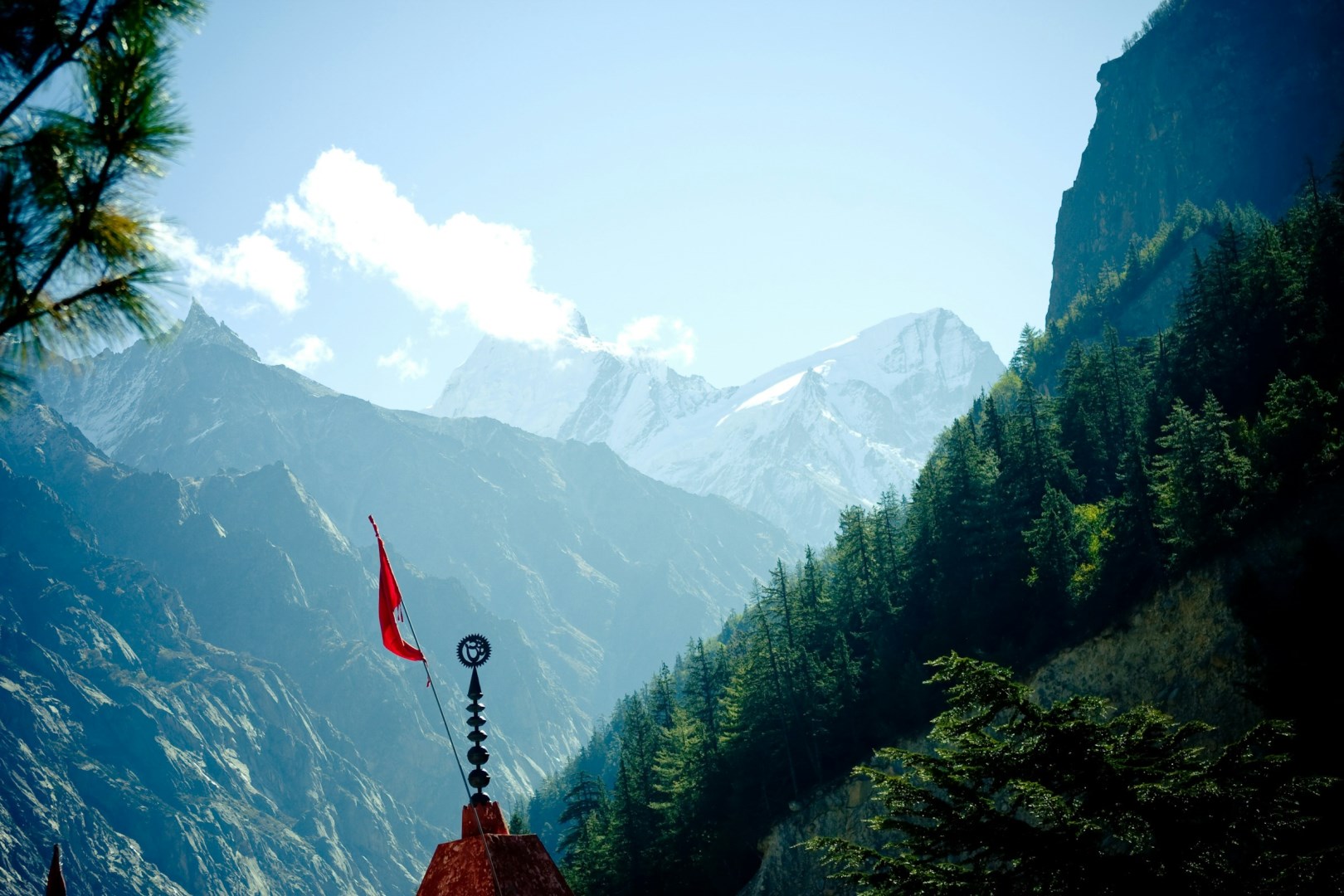
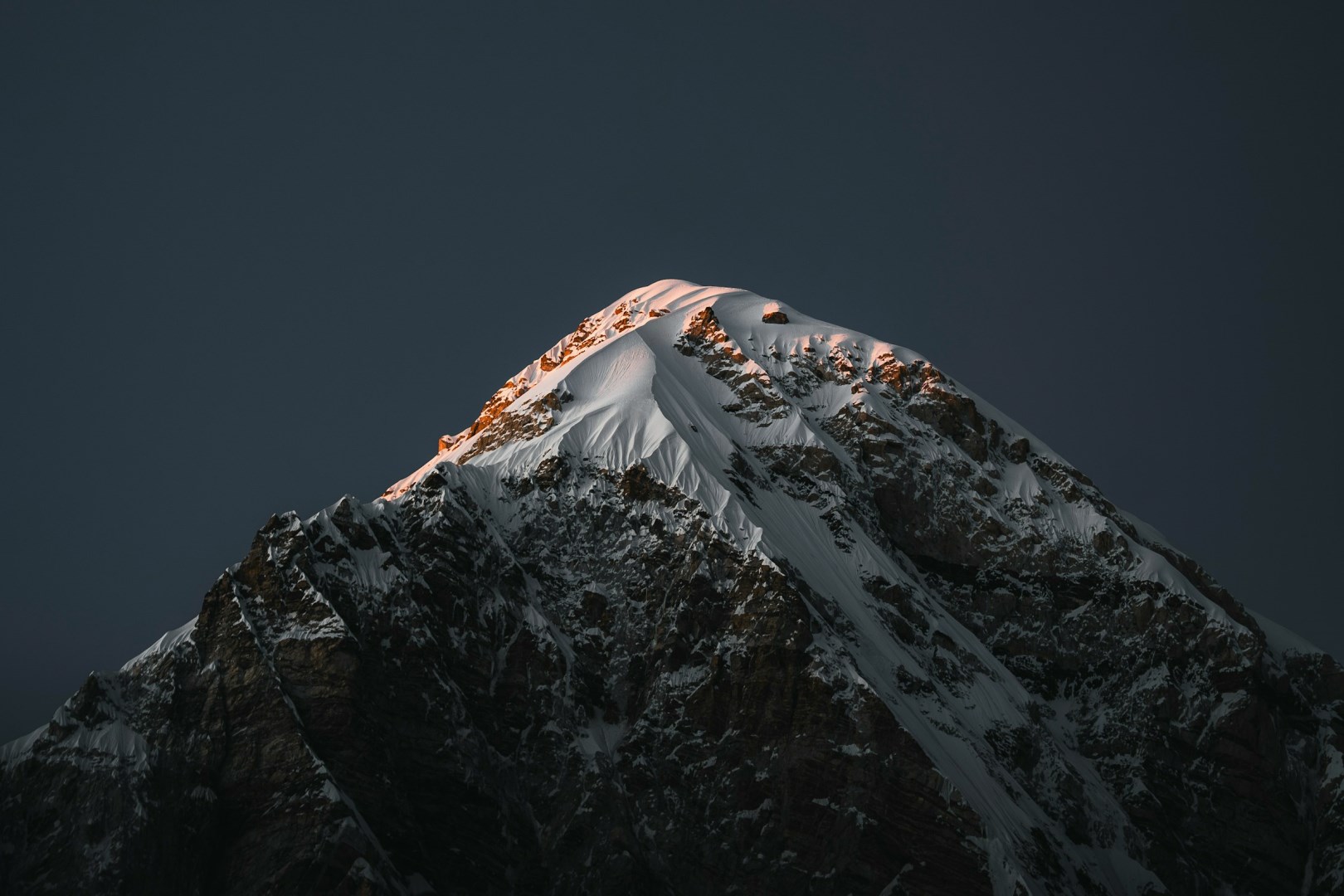

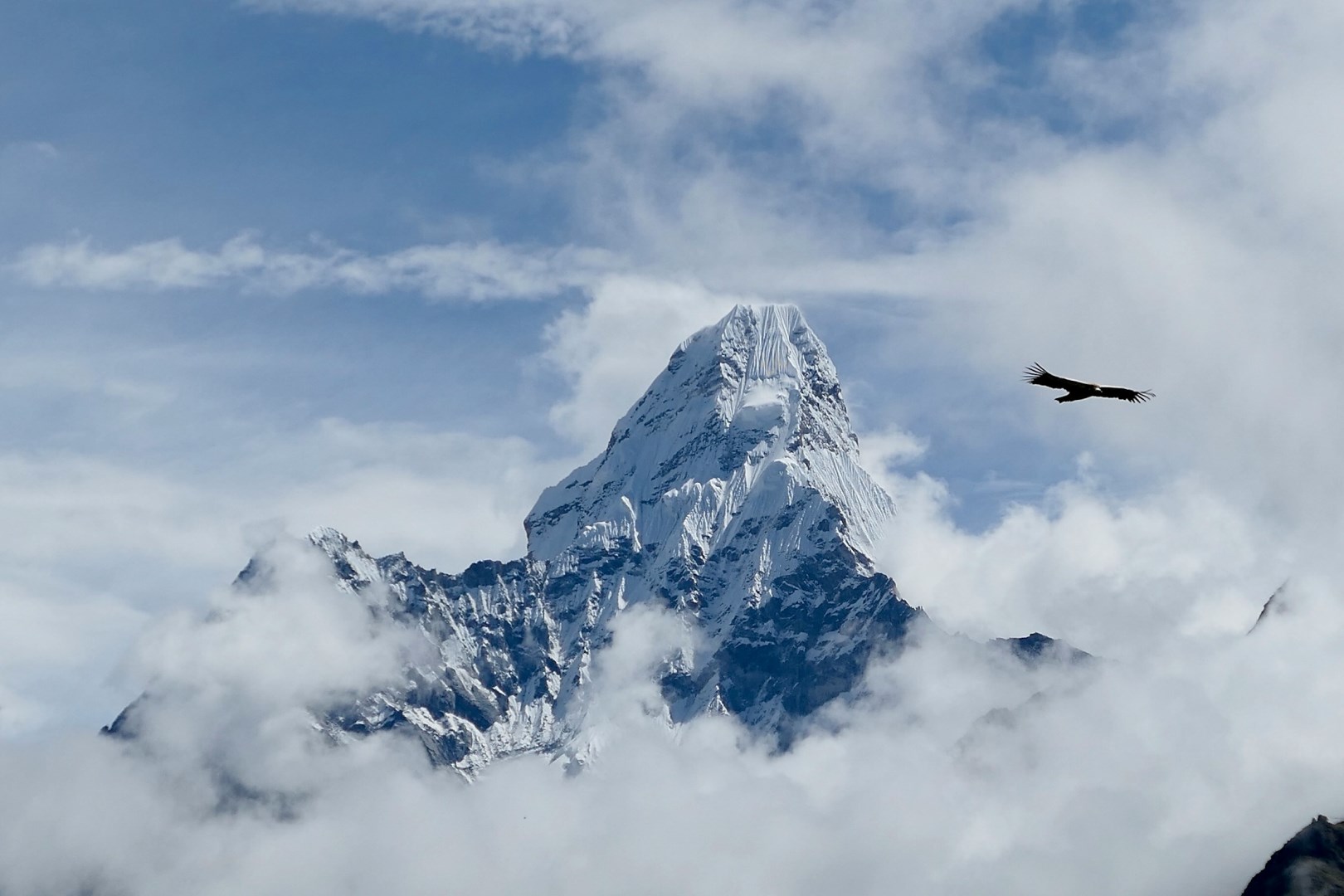
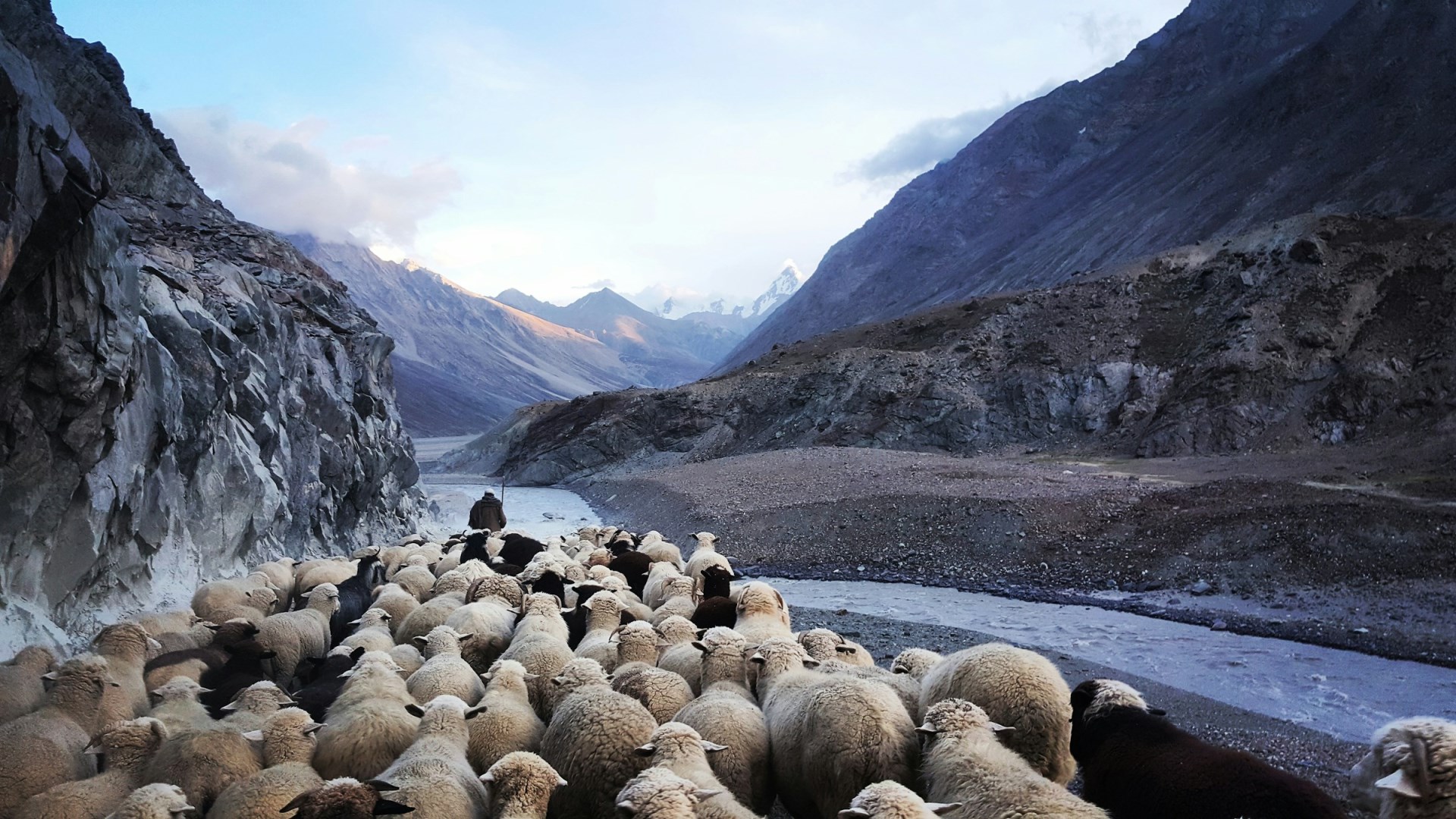
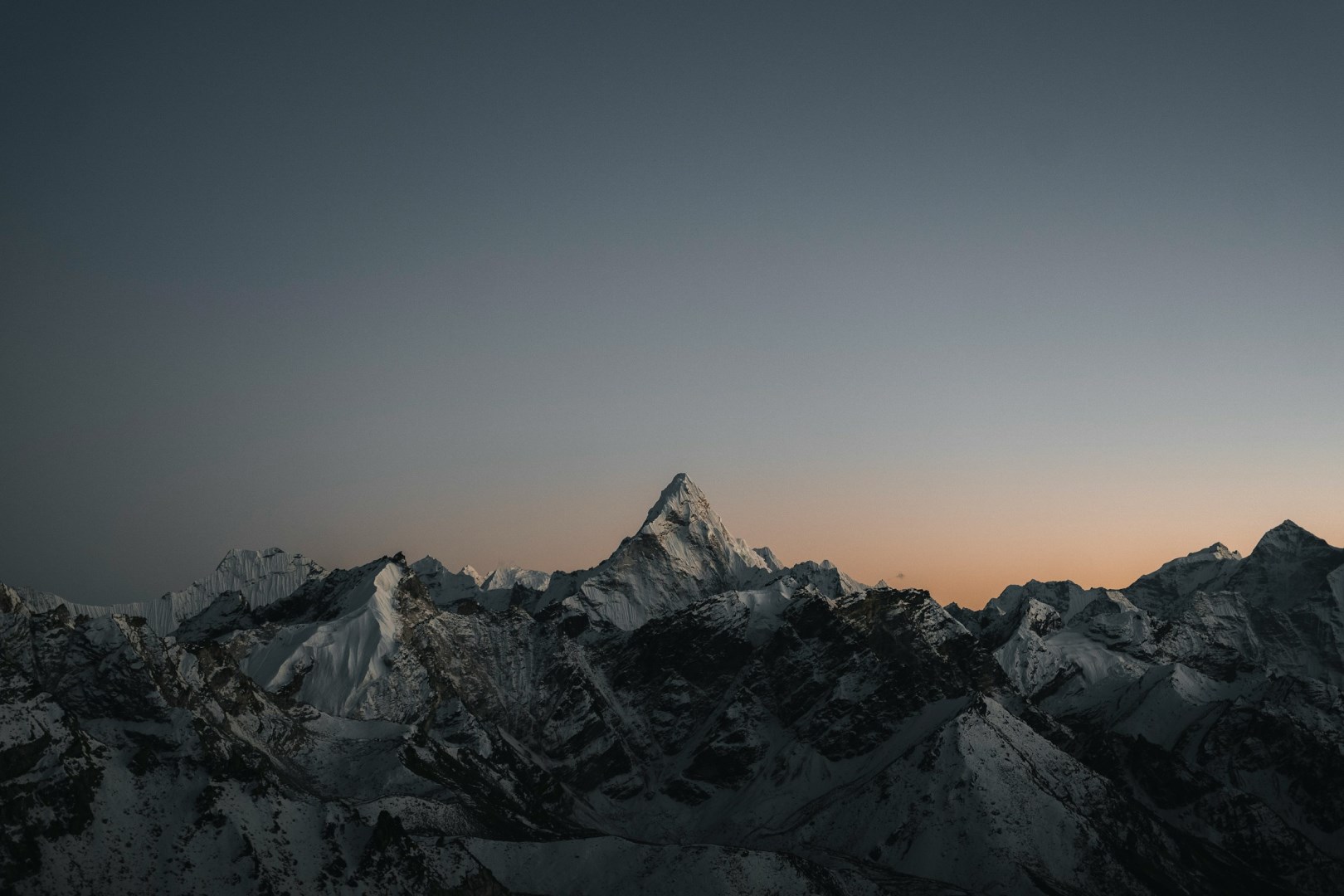

The Himalayas are a vast mountain system stretching across several countries in South Asia, forming a high natural barrier between the Indian subcontinent and the Tibetan Plateau. The range contains many of the world's highest peaks, including Mount Everest, and encompasses glaciers, deep valleys, high plateaus, forests, and alpine meadows. The landscape changes greatly with elevation, from subtropical foothills to permanently snow-covered summits. Major rivers, including the Ganges, Brahmaputra, and Indus systems, have headwaters connected to the Himalayan region, making the mountains important to communities far beyond the high valleys.
The Himalayas have shaped the cultures and religious traditions of the surrounding regions for centuries. Hinduism and Buddhism are deeply connected with many Himalayan mountains, rivers, lakes, monasteries, and pilgrimage sites. Communities including Sherpas, Tibetans, Ladakhis, Bhutanese, and numerous Himalayan peoples maintain distinct languages, customs, clothing, architecture, and agricultural practices. In Nepal's Sagarmatha National Park, Sherpa communities have a particularly strong relationship with the mountain environment, while monasteries such as Tengboche remain important religious and cultural centers. Sacred landscapes are also central to the identity of Sikkim, Bhutan, northern India, and Himalayan areas of Pakistan.
The Himalayan landscape contains an exceptional range of environments and protected areas. Sagarmatha National Park in Nepal includes Mount Everest, glaciers, deep valleys, and high-altitude habitats supporting species such as the snow leopard and red panda. India's Great Himalayan National Park protects alpine meadows, river forests, and glacial watersheds, while Khangchendzonga National Park in Sikkim combines high peaks, glaciers, forests, lakes, and culturally significant landscapes. Popular activities across the region include trekking, mountaineering, wildlife observation, rafting, and visits to mountain villages and monasteries. Conditions vary greatly with altitude and season.
Food traditions across the Himalayas reflect the different cultures and environments found throughout the mountain system. Tibetan and Himalayan communities commonly prepare dishes such as momos, thukpa, tsampa, butter tea, and various breads, while Nepalese cooking includes dal bhat, vegetable curries, pickles, and regional breads. In higher valleys, barley, potatoes, buckwheat, dairy products, and preserved foods have traditionally been important because of the short growing season. Lower elevations support a wider range of crops, including rice, maize, fruits, and vegetables. This variation in agriculture and cuisine mirrors the dramatic changes in climate and elevation across the Himalayan landscape.
Other Popular Destinations in Mountains