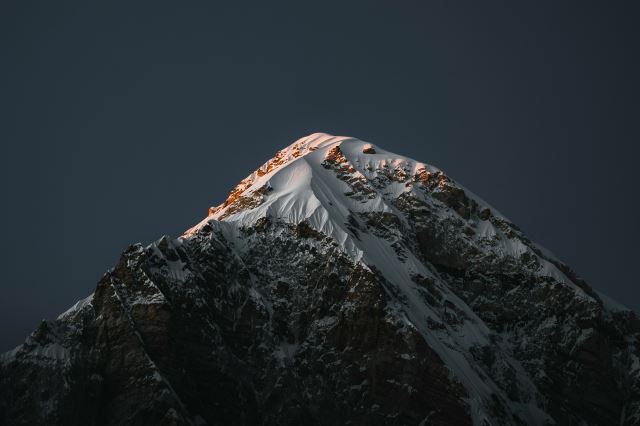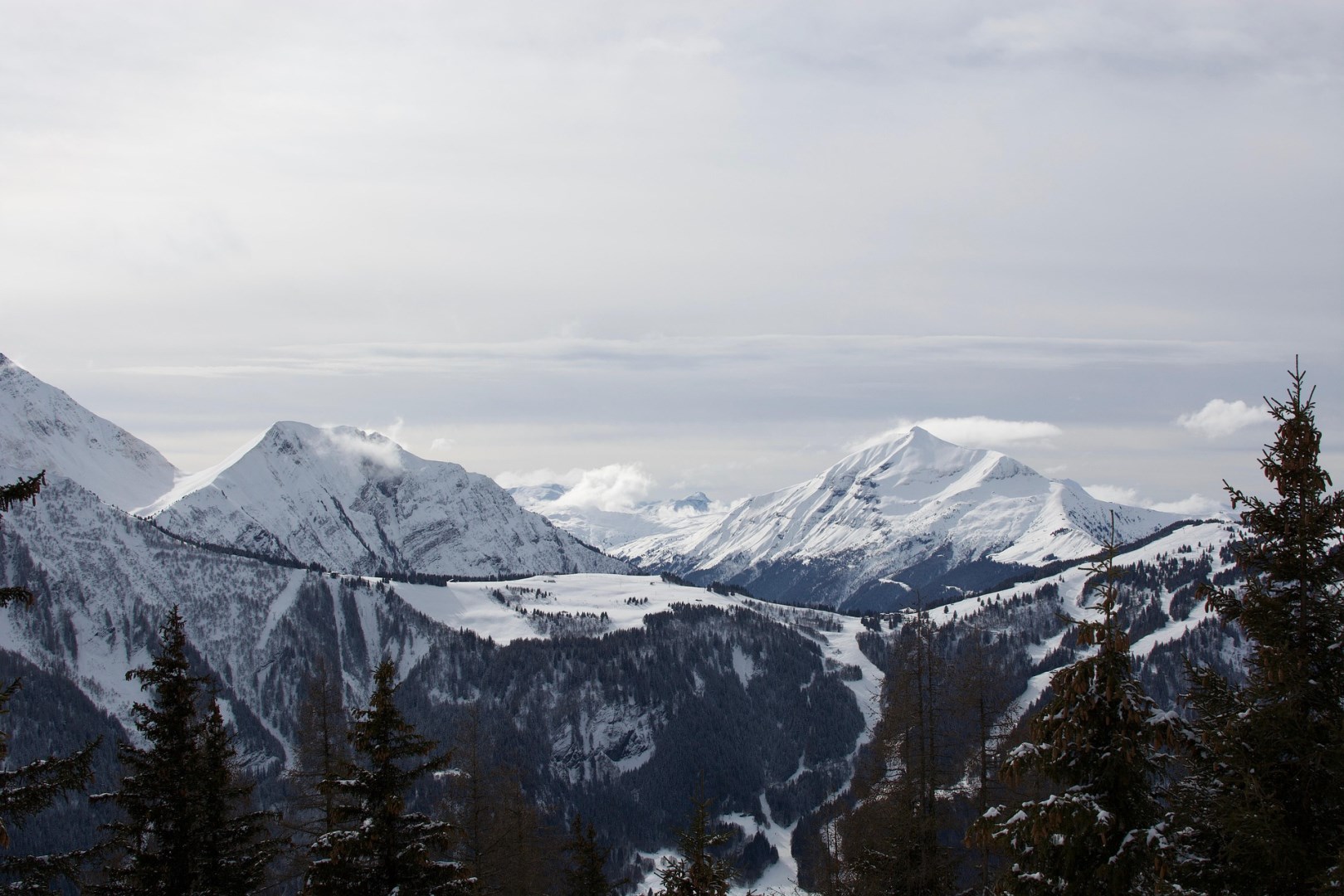
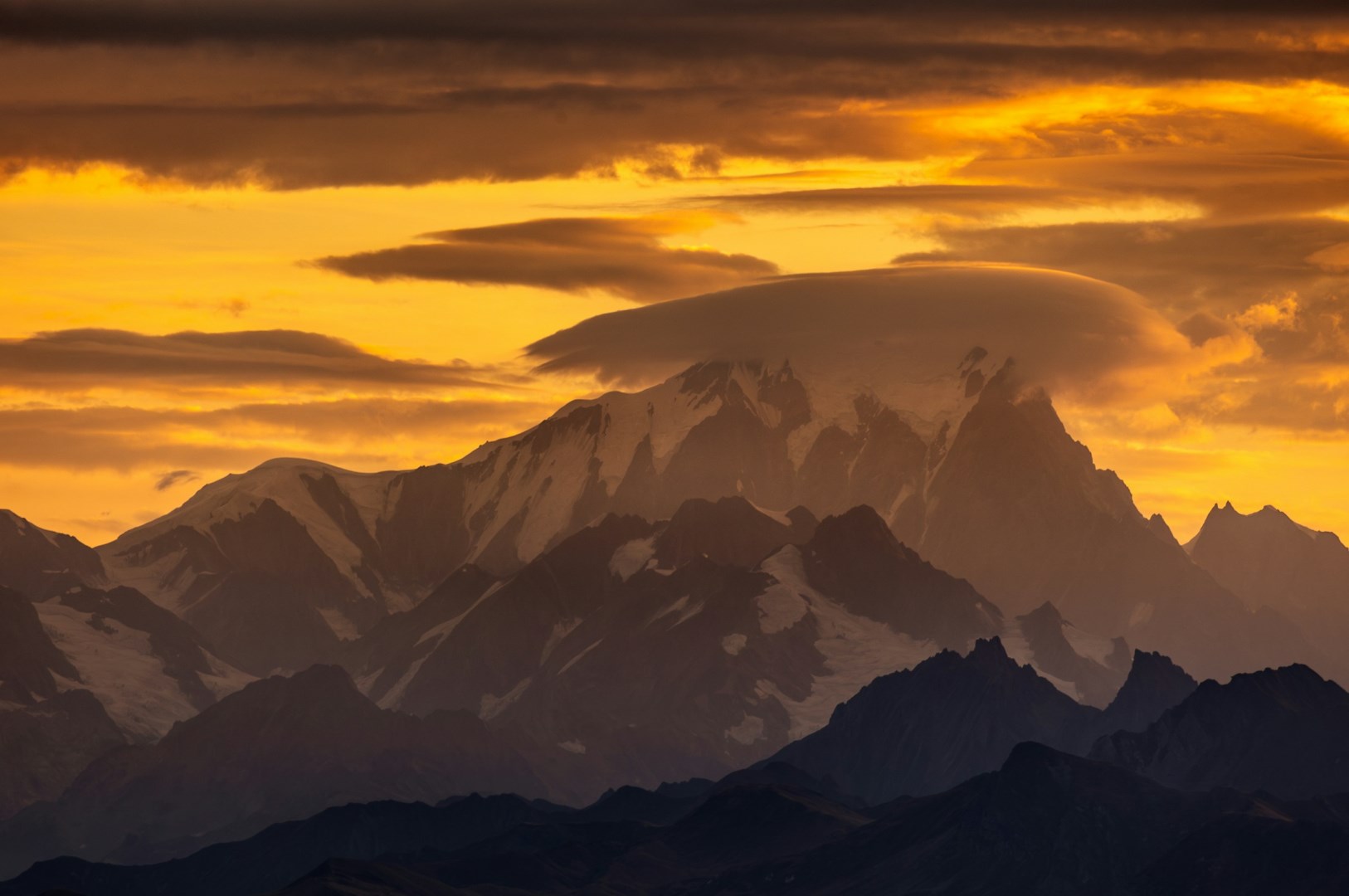

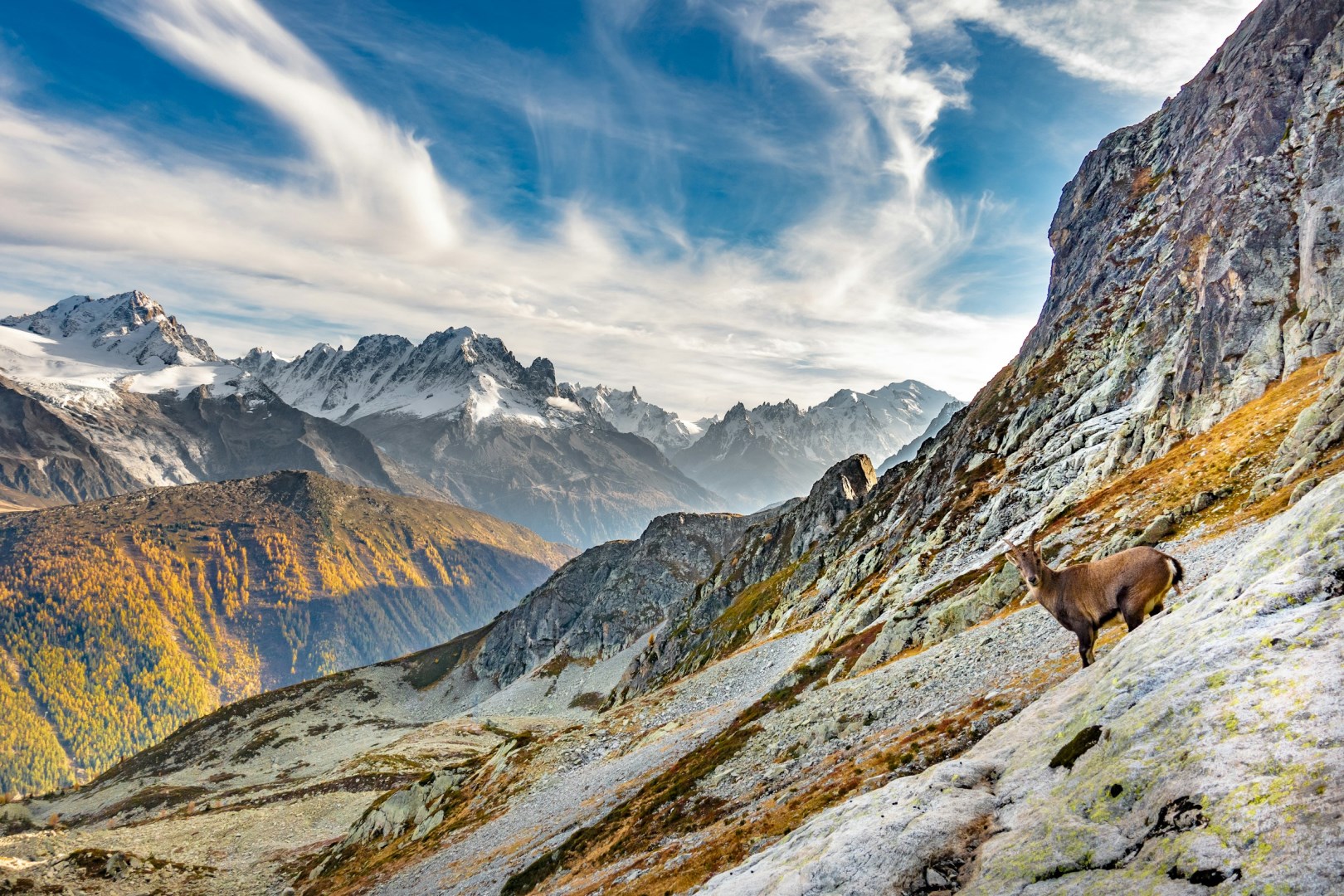
Mont Blanc is the highest mountain in the Alps, rising within the Mont Blanc massif on the border between France and Italy. Its summit reaches roughly 4,805 meters and is surrounded by glaciers, snowfields, rocky ridges, and some of the highest peaks in Western Europe. The mountain dominates views from Chamonix in France and Courmayeur in Italy, while the surrounding massif forms a major alpine landscape for mountaineering, hiking, skiing, and scientific study. Its broad snow-covered summit and steep upper slopes make it one of the most recognizable mountains in Europe.
Mont Blanc has a central place in the history of European mountaineering. The first recorded ascent was made by Jacques Balmat and Michel Paccard, whose achievement helped establish the Chamonix valley as an important center for high-altitude climbing. The growth of mountaineering also influenced local communities, as farmers and residents increasingly worked as mountain guides, porters, and innkeepers. Today, the mountain remains closely connected with professional guiding and alpine traditions. The surrounding region also preserves museums, historic routes, and other sites that document the development of mountaineering and mountain exploration.
The Mont Blanc massif contains glaciers, high-altitude valleys, rock faces, and extensive mountain trails. From Chamonix, the Aiguille du Midi cable car reaches 3,842 meters and provides views across the French, Swiss, and Italian Alps. The Montenvers railway leads toward the Mer de Glace, one of the best-known glaciers in the massif. The Tour du Mont Blanc is a long-distance hiking route that circles the massif through France, Italy, and Switzerland. Reaching the summit itself is a serious mountaineering undertaking requiring acclimatization, technical equipment, appropriate conditions, and experienced guidance.
Food around Mont Blanc reflects the culinary traditions of the French Alps, Italian Valle d'Aosta, and nearby Swiss regions. In Chamonix, dishes such as tartiflette, raclette, fondue, and regional cheeses are common, while Courmayeur and the Aosta Valley feature Italian alpine cooking, including polenta, Fontina cheese, and hearty meat dishes. Mountain refuges provide simple meals designed for hikers and climbers, often using bread, cheese, cured meats, soups, and pasta. A distinctive feature of Mont Blanc is its international setting: the massif extends across three countries, allowing visitors to experience different languages, cuisines, and alpine traditions within the same mountain landscape.
Other Popular Destinations in Mountains